We’re back with the third installment of Wildermyth Wednesday! It’s been a little while, and I’m eager to get back on the ball, so let’s move right in to the screenshots for this week.
Firetruckathan & Jimothy Find A Ruin
In the above image, two of my long-time characters, Firetruckathan Broad and Jimothy Jackalitis, have found an “appropriately eerie ruin.” They’re both funny characters who appear frequently in the multiplayer games I’ve mentioned in previous posts, with Jimothy having the highest possible “Goofball” rating that a character can have. That’s why he’s seen here calling dibs on haunting this ruin after he dies.
Eleni & Warietta Reunite
There’s not a ton going on here in these two screenshots, but I really like how Wildermyth contains events like this one. While interactions like this are simple on the surface, they show the connection between your characters in a way that feels true to real life human interactions.
Anyways, here is Eleni Heartthrob, a mystic of some reknown, and Warietta Wobinson, a pretty deadly hunter in her own right, are joking with one another as they see each other for the first time in awhile.
…I do think Eleni’s maybe being a bit unfair to her friend here, whose hair is not exactly “standard.”
Selected Passages from Rowdy
Rowdy Aylen is a poet, and I don’t remember how she came to be named Rowdy. Was it the game generating a somewhat goofy name? Was it me deciding that, for some reason, I was going to give that name a hilariously-dramatic character who speaks as if she’s playing a part in a somewhat overbaked play?
Regardless of how she came to be Rowdy, here she is! In the first shot, she’s reminding her recently-triumphant-in-battle friends that we just lost some really old trees (fair, but a kinda silly thing to say before something like “oh friends, I’m glad we all made it through the fight alive!”). In the second one, she takes Piper Pippinwiffle Jr.’s observation about the forest grieving to be a prompt for her latest verse. I need to remember to actually feature her in a campaign again soon.
Artir & Taylor Sing Together
Mystics in love. Taylor Timethief and Artir Cranberrysauce singing together was very cute. I have to think they both noticed each other’s hair at some point before they started being a thing.
Xanfar the Magnificient Passes Judgment Upon a Guy
I don’t think any further explanation is required here.
And we’re back! For those of you who missed part one, Wildermyth Wednesday is a regular series involving screenshots collected from the Worldwalker Games 2021 release. Wildermyth is an RPG with turn-based combat that does an amazing job of making the story focus on the characters which you, the player, recruit/create. It’s fun! You might consider trying it sometime!
Without further adieu:
The Adventures of Zanbert
There are plenty of opportunities to transform characters in Wildermyth. And often, in my playthroughs, I won’t end up deciding to have a character undergo a transformation–sometimes it doesn’t fit with my previous idea of who that character is or what role they’re playing, etc.
Zanbert Gravetether, however, is an example of how transformation–he’s become a wolfman, as you can see–sometimes can enhance the personality of a character and make them more memorable within one’s Wildermyth canon. Above, he’s offering to bite someone on behalf of his mystic friend, Telthaia Truffleworth.
And in this one, he’s delivering a devastating zinger group of bandits that he and the other party members have encountered. Note that this is from a different campaign, and he’s younger, which is why his coat is gray rather than white. But wow, “Maybe that should inform your decisions?” That’s cold, Zanbert.
Annnnd the less said about this one, the better! We’ll move on to a different set of characters now:
Deepists Or Cheesemongers?
In the first one, above, two of our heroes, Ebbriana Sherbert (right) and Gretchen Greatwasp, are hearing testimony from a helpful mouse regarding the location of enemy forces. Grady Day (who somewhat escaped having as silly a name as the others in this campaign) is in the background.
And here we see that Grady is somewhat skeptical of Gretchen taking the mouse’s word. Suggesting that rather than the Deepist cult that they’re fighting, the mouse might have just gotten excited about a cheesemonger being located nearby.
…but then the party–including the previously unseen Cobb Vas Sky (second from right)–charges in, to discover that, well, it’s NOT a cheesemonger. It was the Deepists after all. Rodents are right more often than you’d think.
“Library Lochsley”
Each character in Wildermyth possesses personality traits, measured on a scale from 1-99. The two strongest traits go a long way towards determining their reactions to certain situations and their dialogue in certain interactions. To use an example from last Wildermyth Wednesday, Domino Wildelance–the mystic who threw himself down into an underground cavern to protect his daughter–is referred to as a “Goofish Leader” because his strongest personality trait is “leader,” and his second strongest is “goofball.”
Lochsley Kynestrange? Well, he’s a Bookish Poet.
A real man of mystery. It’s hard to tell what he’s passionate about.
Wildermyth, a 2021 Worldwalker Games release, is a game I’ve played a lot over the last couple years. It’s a party-based fantasy RPG with turn-based combat, seamlessly woven into a story structure that shines the spotlight on the characters the player has created and recruited. While other squad management games (the rebooted XCOM and the first Darkest Dungeon, to name a couple) allow you to customize your charges but don’t do much to establish them as three-dimensional characters, Wildermyth takes the ball and runs in a character-focused direction. The game possesses a pretty impressive array of campaign options, but the characters you create and how they interact with each other are the meat of the story. And if you play enough if it, you may very well end up with your own cast of thousands.
So! Wildermyth Wednesday is a weekly feature that I hope to keep publishing as part of updating this blog more often again. As kindly suggested by one of the other contributors, this feature will include a handful of screenshots from the many I’ve collected, and a short explanation for why I picked each. Along the way, maybe this’ll spark your interest, dear reader, in playing the game. Or maybe you’ll just like observing the large cast of characters who’ve accumulated over umpteen playthroughs. Either way, without further adieu, below is the first of this week’s shots:
Skinny’s Battlecry
Wildermyth multiplayer is a joyful, if sometimes the slightest bit buggy, experience. The above is from the latest campaign that one of my siblings and I played which centered around fighting back a tide of the robots-with-bones creatures known as the Morthagi. We created these three as our starting characters: Aisling Starchaser is the blue-haired mystic on the right, Prim Weedwater is the hunter in the middle (my sister’s creation), and Skinny Conlock is the warrior who is struggling with the assignment of yelling something impressive as a battle cry.
The Freaky Freecairn Freedom Fighters, Years Later
And this one is from later in that same campaign. In fact, several years later. Aisling, Prim, and Skinny have all been at the fight for years, and have been joined by Prim’s son, Cabbage, and another warrior (left of Aisling) named Pip Rust. The five of them are accompanied by two allies whose names I won’t mention due to spoilers.
And yes, the name of the group for this campaign was, in fact, the Freaky Freecairn Freedom Fighters. And yes, we did pick the name.
Two Unfortunate Rivalries
The two screenshots below show two different rivalries forming during a custom campaign. The campaign set-up is designed to take a couple of your existing Legacy Heroes and generate each of them a younger sibling. I did this for Stornbaron and Kika because they were both older characters in my legacy who still didn’t have any family members. I thought it would be nice.
…and then they both formed rivalries with each other’s younger siblings. I was a little miffed over this happening. It wound up being a fun playthrough, nonetheless.
Domino Dives In, Daddily
This last one is also one where our characters are fighting the Morthagi. In this event, Lirielle Wildelance fell through the ground into the Morthagi workshop, and is now hiding under the table while she waits for back-up. One of the options I had at this point was to allow her father, Domino Wildelance, to jump in after her. I decided to have him do that, since it’s in character with him being protective of the other members of the group. That’d be why there’s an old mystic and his shadow cat flying downwards towards a bone-and-metal monster. Domino’s not about to let his daughter fight the bad guys off alone.
Pink is one of their family colors according to my head canon.
Next!
We’ll return next Wednesday with a new set. In the meantime, maybe I’ll actually finish one of these reviews that’s been on the backburner for awhile now.
It’s been around a month since Apex Legends sneaked onto the battle royal scene. Flying under the hype-cover as it’s EA producer spent it’s time promoting their ill received Anthem game, Apex was announced the same day it launched and has since exploded in popularity. The battle royale genre has been the new bandwagon genre that the industry has flocked towards trying to make a quick buck on that the unbelievable popularity of games like Player Unknown Battle Ground and later and even more successfully, Fortnite have found. I was a fan of the original Titanfall and Titanfall 2 so a game from Respawn Entertainment was attractive to me, however Anthem provides a great example of how EA can force great studios to make something way outside of their wheelhouse in the pursuit of some popular and possibly lucrative fad. So I had some hope but also some reservations when I reinstalled Origin (sobbing) to give Apex a go. Fortunately I was pleasantly surprised.
The game retains all the characteristics that have come to define the BR genre but, it does enough differently that the game truly stands out on it’s own and is not some sort of reskin of PUBG, Fortnite, or Black Ops 4. Probably, it’s strongest selling point is that it’s free to play. But the second and more interesting selling point is that the game has launched with a level of completion and polish that has been a breath of fresh air (looking at you Anthem). While there have been some issues with crashing (that have occasionally cut short my game sessions in frustration) it has by and large been a stable game that feels complete with some room to grow. Just about all of it’s systems launched with a level of thought and polish that I have never seen a BR game launch with and as someone who experienced the early days of PUBG that’s something I can really appreciate. That being said the game is different from it’s BR competition in a variety of more tangible ways.
From the beginning of booting up the game you’ll notice the many differences that give Apex it’s own unique BR flavor. The first thing you might notice is that instead of being able play in groups of four, two, or one, Apex forces you to play in groups of three. Did you want duos with your buddy? Too bad you’re getting a rando thrown in there. Want to play solo and truly display your dominance as the most badass Caustic (one of the games playable characters) player that ever lived? Too bad you’re going to have to carry two other total N00bs as you dive into the hottest drop you can find. On the other side the limit to three in a group is also irritating for my friend group who typically now have to leave one man out when we try and play together, but there is a reason for it. The game is structured around squads of this size and is strongest when played that way.
Once you’ve found your group you get to pick your “Legend”. Apex currently offers eight playable characters each with their own special abilities hitboxes, voice lines, and skins. A lot of the abilities synergize with each other, and promote different kinds of playstyles but don’t have an overwhelming effect on the game play. For example, Bangalore can drop smoke and then Bloodhound can make enemies visible in it. Your squad takes turns selecting characters and the last player to pick gets the consolation prize after probably having their main character, Wraith, “stolen” from them, of being the jumpmaster.
Then the game begins and you are all suddenly in the drop ship flying across a relatively small map along a random straight path. Unlike most BR games you drop with only 60 total players or 20 teams of three, this is in part because the pacing of Apex tend to be much faster than other games in it’s genre, typically lasting less than 20 minutes. The map has a variety of collections of buildings/structure where loot spawns and it’s up to your jumpmaster to decide where to drop the squad and then control your collective flights to the desired location, not that you can’t break off and drop on your own. If you are that Caustic player (the name of the character really is a reflection of some of the people who play him and this is definitely not a personally biased judgement on my part) and you want that sick highlight-reel worthy play you will most likely solo drop to that hottest of drops “the bunker” and promptly die leaving your teammates in the lurch down a man for the rest of the game and nothing in the game will stop you from doing that.
Once you land, hopefully in a group, you begin your scramble for armor and weapons to protect yourselves and begin your quest for absolute Apex domination. Communication during the mad scramble is made easy with the groundbreaking ping system. It is easy to ping weapons and attachments you find so your teammates can benefit from your frantic searching for a gun that is not the mozambique shotgun pistol. It is also easy to ping attachments you need for your guns, the location of enemies, or where you want to go (or the millions of mozambique pistols you find so they may share in your pain). And then your game can begin.
Another neat wrinkle that separates Apex from the rest of the BR genre t is the revive system. In most BR games if a teammate takes enough damage they are incapacitated but able to be picked back up and continue the fight if a teammate gets to them in time or before an opponent murders them to lootable death. This mechanic is important to BR games because it heightens the sense of urgency and anxiety in the game and one of the genre’s biggest payoffs is the moments when you overcome that adversity. Those moments when the rest of your team is down and it’s just you against the enemy team and you need to pull off an “epic game moment” in order to pull through are some of the moments that I remember most in playing this game, often even more so than matches I win. Apex has complicated this mechanic in a way that adds to this. Now, even if your teammate is completely dead there is a window of just over a minute to grab their “player banner” and then you can carry it over to a respawn beacon and summon them back into the game. They’ll be as lootless as the moment they first dropped, but they’ve now got a second chance to help your squad win. This mechanic is great. It means that in a competitive fight where you only have one squadmate left standing you still can get back into the game but you are still much more vulnerable for having been completely downed. It also creates the very fun moments where your teammate who ran away from the fight like a brilliant coward can sneak back and theoretically get your entire team back into the game almost completely making up for abandoning you. The mechanic just really feels at home in a BR style game where the objective is to make it to the end not necessarily get the most kills (cough, cough, looking at you random guy who decides to peel off of the squad to hit a dropship where half the players in the entire game are landing).
When it comes to getting around the map, Apex Legends’ characters aren’t as mobile as their kin from the Titanfall entries, but movement is more free than in any other BR game I’m aware of. There is no fall damage and the fastest way to move around the map is sliding down slopes and jumping off cliffs. Additionally you can crawl fairly high up on the various structures in the game and many of the environments enable weird parkour exploits and plays. Additionally zip lines are scattered all over the map and give players quick and easy access to different parts of the map. There are also vertical zip lines attached to balloons that allow you to basically re-drop over a short distance. Combined these features make Apex a very mobile game, and it means there’s another skillset to learn and improve on in addition to the usual shooting
It’s gunplay is probably most similar to Fortnite out of all the other BR games but doesn’t revolve around a building mechanic which for me is a huge plus. The armor and healing system in the game make sniping feel a little underpowered relative to other similar games. Finding cover and healing up to full before a team can close on you to take advantage of a sniper shot that takes you down to half health is usually doable and makes sniping a lot less lucrative. It is still very possible to snipe in the game and the supply drop only, Kraber sniper rifle is a nightmare in the right hands, but as a whole the gameplay largely revolves around midrange to close quarters fights and you’ll rarely find yourself downed by a distant player you don’t see coming.
If it hasn’t been clear from my tone at this point, I’ve really been loving this game to the degree that I have developed some (probably) baseless hate for people that main certain characters or enjoy a certain style of gameplay different from my own. I have collected many of those memorable moments that keep me coming back to this game and it’s been so nice to scratch the BR itch without having to play a 40 minute game of PUBG only to get headshot by a Kar-98 from across the map or get verbally abused by an eight-year-old wunderkind with godlike building and shotgun skills in Fortnite (I swear this is a hypothetical). The game has already done enough of the things that I think are important such as the amount of polish it launched with and some prompt rebalancing of a few of the guns after the game was launched give me confidence that it will hold my interest into the future. The game is also very replayable. Relatively short matches and including short queues to get in game mean that you can play a fair number of matches without loading screens or tedious cross map running (looking at you PUBG) that tend to sap my energy and desire to play multiple matches in a single session. This will be easier with new content announced to be just over the horizon including things like new maps, characters and guns.
This all being said, the game is not without its flaws. I mentioned earlier that I’ve had some issues with the game crashing frequently enough that I’ve stopped playing much earlier than I intended to and I know those problems aren’t limited to me. There is also no way to re-enter the game after that’s happened which magnifies the issue. This has partially been addressed in some new updates to the game and even new graphics drivers that have increased the game’s stability but it’s something worth commenting on. There are also some small features that I would like eventually such as a matchmaking system so I can avoid playing against people who had 100 hours and 10k kills in like the first three days the game was out. There have also been reports of cheating that if true I hope get addressed.
But, really all of these things are minor complaints. Really the one area that I worry about and that I think might have some badness already baking-in is unsurprisingly, the monetization system. Apex uses the typical cosmetic based loot-box system of getting money to pay for the content they’ve produced and while it isn’t the worst one I’ve seen by a huge margin I am always terribly uneasy about the potential slippery slope situation and with a producer like EA hovering over them I feel a bit more justified in my mistrust. Apex has three types of currency. Legend Tokens, which are earned by playing the game, Apex Coins, which are purchased with real money, and Crafting Metals which you obtain randomly in “Apex Packs” (which is their word for loot-box). Apex Coins can be used to purchase everything in the game, this includes skins, the two characters who aren’t initially unlocked, and Apex Packs. Legend Tokens can be used to unlock the two characters and to purchase modifications for skins you already own and that’s all I’m aware of. Crafting Metal is used for crafting specific skins you want. You also earn an apex pack every time you level up until you hit level 20 at which point it’s every other level and then completely stops once you hit level 100. This means that you get 45 apex packs just for playing the game. But the planned obsolescence in that design is an alarming sign that combines with another odd mechanic. In the games store there is a rotating number of modified skins that you can purchase with your Legend Tokens, however you can only purchase those if you have already unlocked the skin it’s based on, which “fortunately” for you the game store informs you you can buy with Apex Coins and gives you the coin amount and a handy link to go buy the coins you need. I will stress that right now this is not a huge problem for me. I’m not even at level 50 yet, and I’ve really enjoyed the gameplay experience immensely. While I’m not planning on getting sucked-in to spending a much of money on it, I’m nonetheless concerned that this is something that will diminish my long term enjoyment as I worry that the microtransaction creep potential will blossom into a problem that could dramatically decrease the quality of what is currently a great game.
Possible future monetization-ocalypse aside, I really do recommend playing this game if any of what I described is at all interesting to you. The prerequisites to play are very minor for most people. You either need a computer just above the performance level of a potato, a playstation 4 or xbox one past those hurtles the only cost to play the game is free.
In the comics (and graphic novel) industry, particularly the Superhero “sub-genre” that headlines for the Big Two (DC & Marvel), there’s what’s called a “Crossover Event.” For those of you not hip to this (which is fine), it’s the outwardly incredibly simple idea of mushing multiple characters from the same universe into the same story line. DC has Justice League. Marvel has The Avengers. You probably don’t need more examples.
I feel like it’s being accepted more and more that–unless you’re a younger fan, in which case bless you and perhaps don’t read this–these actually tend to kind of suck. The equation seems like it should be incredibly simple: you take characters that are fun, you put them in the same series, and it’s even more fun. Fun plus fun plus fun should equal three funs, right? Well, as a number of better writers than myself have illustrated, this usually isn’t the case. As detailed in this excellent essay, Crossover Events and Renumberings actually tend to be a “jumping off point” for readers when it comes to the Big Two. Marvel especially.
In addition to the in-depth and heartrendingly accurate breakdown of how messed up the direct market in comics are, I’d also like to throw out what I think is the practical problem in terms of writing these types of stories. You’re basically taking the main characters from a bunch of different series and having them all on the page or on the screen at the same time. When this leads to witty exchanges of views, co-operation, and fun over the span of a short period of time, you can get the rare success of this type of subgenre. For all of the grief I’ll give Marvel and even with how disenchanted I’ve been with superhero flicks in general, I’ll concede that the first Avengers movie is a good example of how this can be done in a non-infuriatingly bland way.
“With our power combined, we aspire to be a lot less boring than your typical Supes-Mashup!”
However, I think part of what explains why that worked is that two hours and thirty minutes of the same MCU characters being on-screen together is a relatively short period of time, where as a result the writers don’t have to worry as much about things the clash of the different series tones. It’s when these endeavors have to explain themselves in a little more detail (such as in the comics runs or in, say, a Netflix series) that some of the contradictions become more obvious. Part another way: “The Avengers” is basically everyone in the MCU having a two-and-a-half-hour cameo, and it’s way easier to nail that format.
When the characters who normally headline their own series come together for a longer period of time, the problems tend “pop out” right in front of your face. A lot of these characters have different goals/ethics, which would be more interesting if it weren’t for the fact that the stories usually detail them all coming together to fight for a common cause. Each of their own individual series has its own tone–Jessica Jones’s tenacity in the face of an oppressive shit world, Luke Cage’s sizzling energy as the series has him deal with corruption in the community he loves, Daredevil’s split between getting things done within the system and concurrently asking the question of whether the system is too broken, Iron Fist being an excellent reason to not cast Finn Jones as White Buddhist Batman–and it’s hell of a thing to try to let these spill into each other without accidentally muting them all. And the villains have tended to be either ridiculous (even by Supervillain standards) or just a pathetically lame foil to let the Superheroes stand out more.
Understand, I’m not saying every crossover ever has failed to take this all into account, but basically all of them have had to deal with the above challenges. And I can tell you, personally, as someone who owns too many DC trade paperbacks, that the above challenges and the fact that writers tend to shrink from them a bit is the reason I own all of Scott Snyder’s Batman run for the New 52, and approximately zero of the Justice League trades.
But back to Marvel’s Defenders. As you probably guessed by now, I don’t think it’s really up to snuff. I know there are people who’ve become pretty disillusioned with the Netflix Marvel series in general, but I’m not among their number; I liked Jessica Jones, Luke Cage, and Daredevil quite a lot, and I tolerated Iron Fist. I really did think there was a significant chance for The Defenders to break through the tape that way too many crossovers seem to wrap themselves in. Sadly, it’s really impossible for me to say that it did. And I really wanted to like this, if not love it.
Less than the sum of its parts, sadly.
But it really is the same old stuff. There are a couple of neat hooks where the characters are brought together in not totally contrived ways, and otherwise it’s that weird feeling where you never really get to spend enough time with any one of these characters (except for Iron Fist, whose mentor is cooler than him, but hey), and the overall plot rushes into focus fast enough that the reasons that they’re able to hash out their differences and co-operate feel cardboard. Maybe if I didn’t enjoy three out of the four of these series so much, this wouldn’t bother me as much. But that’s sort of the opposite of the point here, isn’t it? I was watching Defenders because I did like the other series.
There’s two exchanges that sum up the entire series for me. For one, it’s one of those scenes where the writers threw two characters into conflict for contrived enough reasons that it’s just hard to sit through (see also: Arya and Sansa Stark’s conflict from Season 7 of Game of Thrones), so it’s got a strike against it right off the bat. Secondly, Knight, a detective, is questioning Jones. Now, I know Superhero stories are never really going to break from the whole “cops are generally good with a few bad apples” perspective so I’m willing to give that a bit of a pass, especially since the police in Luke Cage weren’t exactly heroic-it’s really just Knight, as his friend, who stands out as trying to do the right thing. But I’m also really not sure why Knight would be treating a known associate of Cage as hostile. She even goes as far as to give Jones shit for offing Kilgrave at the end of Jessica Jones Season 1. Kilgrave had raped Jones (and other women as well), so this is downright wince-worthy stuff.
Jones’s reaction is to basically continue the dialogue while acting annoyed, and it’s really hard to figure out why doesn’t have a stronger reaction to this. It’s even harder to figure out why the writers thought this needed to be in the series at all. This scene could’ve easily been an interesting back-and-forth between characters who’re trying to do the right thing and taking vastly different approaches, and instead it ends up with an unconvincingly vanilla conflict that’s derived from Knight saying something uncharacteristically awful. Add some incredibly forced dialogue into the mix and it’s just pretty much the perfect example of things not fitting together and god-awful writing turning it into a total mess.
There’s another one where Luke Cage calls out Iron Fist for being an entitled prick, which is a scene that’d work approximately one thousand percent better if Finn Jones wasn’t a wooden actor, Iron Fist wasn’t an entitled prick, and if Cage’s decision to call him out on this had a bit more of a lead-up to it. On that last point, I’m all for Luke Cage yelling at Iron Fist, but the scene managed to be rushed, robbed of impact, and once again display how Jones really, really cannot act all that much at the same time. If you replaced him with a board with a slightly constipated expression on it, Mike Colter’s words would’ve had more impact.
But seriously, I know I’ve made it more than clear that I don’t care for Jones’s acting or the Iron Fist in general, but the weakness of that series combined with his central role in this one is an issue. When Cage goes after him, the viewer might be inclined to take his side, but a better constructed Iron Fist character with a better actor would’ve given that scene an appropriate amount of nuance, prompting there to be a range of different opinions that could arise from viewing it, like “Cage is right, but Rand clearly didn’t get his point across” or “Cage came on too strong, Rand doesn’t get what’s going on yet” in addition to (what seems like the only possible conclusion unless you’re just the hardest-core Iron Fist fan in the world) “Cage is right and let’s move on.” It takes a scene that should be thought-provoking, and turns it into something much less.
This looks awesome.
I could go on–the villains are pretty wooden aside from a Madame Gao reappearance–and the show manages to take eight episodes and make it feel like it both should’ve been shorter (for reasons I mentioned above re: The Avengers) and longer. But instead I’d rather just focus on the picture above.
In the end, I do keep coming back to this and other shots from the promo material, and being annoyed by how cool some of these look, too. Because once the series got going, it was impossible for me to not wonder exactly where the gritty, “it’s just a bunch of friends hanging out trying to deal with the impossible burdens of life” feel of these actually went. Because hell, that is so something the viewer can relate to. There’s another one where they all look like they’ve been hanging out all night and are beginning to feel slightly hung over. These are also pretty cool in their own way, and a series that had found a way tap into that feel of them all genuinely bonding probably would’ve also been the same kind of series that actually managed to figure out how to balance its characters and tone better.
As it is, we got something that played it way too safe and ends up feeling like it could be a show about any four slightly bland superheroes, rather than two whose personas (and actors) carry the hell out of their own series and one who’s the only blind criminal defense lawyer that I’m aware of in superhero canon.
You can enjoy parts of this series, and if you watched the others, you’re probably going to watch this one. But if you were expecting “awesome+awesome+cool+Iron Fist = more awesome” (or some variation on that equation), I don’t really think that’s what you’ve got here.
I finally read Harry Potter and the Cursed Child (Parts One and Two). Finished it today, in fact. This isn’t going to be a long or particularly detailed review, but there were some particulars I wanted to mention about the book.
First impressions overall, I thought the book was good. I went into it basically only having the short review of the friend who lent me their copy of the book, and who rated it a 2.5 out of 5. So, I had a cautious and skeptical approach to the book as I opened the cover to begin reading. But that slipped away, and I found myself no longer paying attention to time as I flipped page after page.
There are spoilers ahead, so if you don’t want those, stop reading and come back later.
One of the things I enjoyed about the book was how certain elements clued in from the beginning was woven into the solutions and eurekas at the climax and near the end. Granted, that’s a pretty standard storytelling technique, but particular moments like with Harry Potter’s baby blanket became nice illustrations of that technique.
I sometimes think time travel (as in plots that involve the act of traveling in time, not the act of creating prequels) is an easy answer to recycling a good series, but that didn’t stop me from still finding some enjoyment in this book. That said, I’m squinting my eyes hard at more and more popular series/stories recycling old plots or content through the instrument of time travel. I hope that it doesn’t become an apparatus so commonplace that it becomes boring or predictable. I like time travel stories, but I don’t like seeing it becoming a cashcow opportunity.
So far as the plot of HP#8, it definitely seemed to me to be much more about the relationships between Harry Potter and his son Albus, as well as Albus and his friend Scorpius Malfoy, than about the second rising of Voldemort, even though that was used as a vehicle for the relationship plots. And I liked that. Bringing back Voldemort would be quite a bit boring and would have appeared like the writers were just returning to material “that worked before” rather than trying to reinvent something more fresh.
That said, there are times I was not entirely sold that the reason Harry and Albus had such a tense relationship was because Albus was concerned about living up to the Potter name, worried about disappointing his dad, jealousy, and embarrassment. I realize that’s what they were going for, but throughout the book you are more or less told this like “hey guys, this is the reason they are not getting along.” And there could have been an even deeper build and more complex background to the tension that Harry and Albus share than the usual “my dad is famous and I’m a nobody loser.” And near the end, it got really Lion King-y with the whole son: “I thought you were never afraid,” father: “There were many times I have been afraid. / Even great heroes can be afraid. / I was very afraid because I thought I was going to lose you” stuff.
Generally, I enjoyed the transitions in the book, and watching them play out in my head made for some pretty poignant visuals, and I can sort of imagine how the lighting and staging could make this pretty powerful.
After reading it, I went over to my Goodreads app to log it. The rating from the 300k+ people who have rated it on the app is exactly the right rating for this book. 3.77 out of 5.
In space, no one can hear you complain inside your helmet.
So, there’s been a lot of pre-release noise in regard to Mass Effect: Andromeda. The fourth entry in the series had caught some flak from more than a few people based on silly-looking animations and a few other things that are equally hard to summarize or care about. For this series, this isn’t anything new, of course.
However, there was enough of it out there that, when EA/Bioware added the ability to play up to a certain point (and keep the progress once the game was officially released) for $5 to access the game via Origin Insider (which also gives me a 10% off coupon if I choose to buy the game, for a whopping $2 of savings in total!), I jumped on the opportunity. A
Full disclosure – I really enjoyed the original trilogy, despite its warts. I’d go as far as to say its one of the few series that exists that I feel game-love for. I also liked ME3 and ME1 better than ME2.
I’m not someone who reviews games as my livelihood and Game Mechanics is just a group of friends posting whenever the need to write on entertainment hits, so I have very little experience in writing about a game before the actual release. To help flesh things out for people who’re on the fence about pre-ordering vs. waiting for reviews vs. waiting for a sale vs. skipping this title vs. hiding inside a bunker and refusing to interact with Bioware-produced media ever again, I put it out there that I was “buying in” to the first ten hours, and gathered questions that my pals on a couple different social media platforms had about it. Those appear after my initial summary, which is below. Hope this helps!
~
Mass Effect: Andromeda launches the player back into the same universe as the first three games, only this time you’re playing as Pathfinder Pick-A-Name Ryder rather than Commander Pick-A-Name Shepard. Oh, and also, once you set up your Ryder, you learn that you’re part of the Andromeda Initiative, a private venture to cross “dark space” from the Milky Way to the Andromeda Galaxy. And also it’s 600 years later than the end of ME3, because apparently that’s how long it takes for your “Ark” ship to get from one galaxy to another. And you’ve been woken up and, inexplicably, the first thing they give you is coffee which anyone could tell you is a terrible choice for the first thing you ingest directly out of 600 years of cryostasis.
It’s worth noting that, as with the vast, vast majority of other video games, we’re limited to the gender binary in constructing our Ryder in Mass Effect: Andromeda. If you play a guy, you’ll have a gal twin sister, and vice versa. I didn’t really expect anything else, but it does seem something that developers should try harder with in the future, since having the option to build your character from the ground-up is basically an acknowledgment that playing a specific type of character isn’t really key to the way you interact with the game.
Anyway, so you’re part of the AI, and your Ark has exited dark space and collided with a bunch of space-glowy-crap that has a name that’s easily less convincing than “space-glowy-crap,” and naturally some of the tutorial is you figuring out the basic mechanics in order to help your shipmates fix a messed-up widget or two.
Did I say you were the “Pathfinder”? Just kidding, it’s your Dad. On a related note, a Pathfinder is apparently the person in charge of finding a new world to live on (a “Golden World” according to the ME:A jargon). I’m not really sure exactly what the credentials for this position involve, seeing as once your dad does the typical Disney parental thing and croaks in order to make sure you live through an encounter with lizard-people, you’re elevated to the position based on his dying proclamation. You then discover that your part of the expedition has actually been the most fortunate, probably, as none of the other Arks–Turian, Salarian, Asari (all names that’ll be familiar if you’ve played one of the first three games, and if not…they’re fellow aliens from the Milky Way)–have shown up yet, and the “Nexus” space station that was sent ahead of you to give you all a home base is behind schedule, has already had to fight off a rebellion (and exile some people, which is definitely going to come up again), is low on resources, and sustained losses to its leadership team to the point where the replacements are now sort of politically at each other’s throats over who has control over what part of the expedition. Hooray!
If this makes it sound like you’re a bunch of Space Incompetents from Planet Dipshit, the good news is that doesn’t really wreck the experience so much as actually add something! For one thing, this seems pretty much how a billionaire-funded private space enterprise would go – just look at SpaceX. For another, being thrown into a situation where the leadership structure is in tatters and nothing seems to be going the way anyone planned is actually pretty interesting because it bucks the original Mass Effect story arc practice where Shepard was learning about systems already in place that previously hadn’t involved humans or the Systems Alliance, and replaces it with you being relied upon as one of the people to make chicken salad out of chicken shit as Pathfinder Ryder.
Once Cradwap Ryder–sadly, I was one character short of “Cradwapper” but no one should care about that–had an appropriately terrifying vision, neon hair (and let it be said that the character customization is quite fun, as always), and had been confirmed as the Mass Effect: Andromeda equivalent of a Vanguard, we were off to the races. Well, okay, technically that all happened before the Ryder’s father died in a selfless attempt to inject pre-fabricated feelings into the opening couple levels.
The classes have different names and allow for a little more variation within soldiery-types than other Mass Effect games, but otherwise they should seem pretty familiar to veterans of the series. For new people, you’re going to be picking a class that gives your character some ability in Typical Soldiery Shooty Things, Using Drones & Robots To Shoot Things, or Using Your Augmented Brain To Toss People In The Air And Cackle, or some combination of the three. I picked the one that’s a combination of the first and last, because I haven’t yet been able to come up with a good answer to the question, “what is a bad thing about being able to charge into people and headbutt them with brainpower, yet also still being able to operate the gun you are holding?”
And so Cradwap Ryder was off to a couple different places. The first couple levels gave me a chance to get a feel for combat, which is fine, and the interface, which is also, again, fine. The AI of the enemies/your two companions has come under fire as one of the things that needs work whenever Bioware gets around to patching things, and I’ll say that that’s a valid complaint (if overblown like virtually every complaint). Ryder and I had very little trouble with disposing with most enemy combatants on Normal difficulty, up until we got to the point where it’s a big enough fight in a relatively open area that you sort of need your allies to contribute.
At that point, I was sort of glaring sidelong at my idiot comrades and cursing under my breath the same way I do when I’m stuck with an Overwatch team that doesn’t appear to comprehend that at least going through the motions of Shooting What Is In Front Of You And Is Also Shooting You would be extremely helpful to allow me to get us through this fight. I had one other companion–I’d give you the names, but I feel like it’s relevant that none of them made much of an impression during my time with the game, so you’ll have to look it up–who had similar abilities to my character, which was helpful about half the way time. The other half, she went headlong into the middle of four enemies and had to be revived (the typical mechanic where you crouch near your friend’s broken, shattered body and hit “E” until they’re Just Fine After All!) or I had to fight with just me and Idiot No. 2 for the rest of the battle.
To be fair, when it was a more tunnelly battle with lots of cover, my allies did fine. But this engagement, in the second area of the final mission that the Origin Access buys you, uh, access to, you’re fighting around and inside a multi-leveled base, ostensibly an attempt at a sort of evaluation colony before it was attacked by another non-native race called the Kett. And this basically broke my teammates and thus was the only time I died other than my usual handful of deaths involving idiotically walking off a cliff.
In regard to the combat overall, I say “fine” because, while not on the same level of futility as the friendly AI, the enemy AI also makes some puzzling decisions. Such as reinforcements dropping out of a shuttle onto a roof and then bumping into each other in their attempts to be the first one to jump down to the surface and combat The Mighty Cradwap And His Two Moron Disciples. I also say “fine” rather than “great,” because, while I had no problem with the shooting mechanics or using the powers, the Kett, which make up your enemies in the first couple levels, gave the combat a distinctly Mass Effect 1’s Downside feel where it seems like the game has two simultaneous ideas going that are at war with each other: 1. it wants this to be an epic third-person cover-based battle 2. inexplicably gives you a foe type or two whose entire purpose is to try and get into melee range, which are just numerous enough that the first idea doesn’t really pan out. Thus far, the inventory system–related to the combat for obvious reasons–feels similarly Mass Effect 1, in that it’s a mess (as ME1’s kinda was).
However, the added mobility options are a plus, as you’ve also been given the options to “dodge” or use your kinda-jump-jets to quickly relocate, so while this overall feel is way less fluid than the combat in ME3 or even ME2, what you’re left with is something that feels very much like the pieces are in place–especially with the idea that you’ll get more than just your Headbutt and Shoot A Bolt Of Hurty Stuff abilities later on–for plenty of fun. And said ability to jump/boost in any direction sort of helps offset the cover system – the game assures you you’ll automatically take over when you approach a viable object with your gun out, and this works about as inconsistently as you might think if you were given such vague instructions.
Anyway, fun! I certainly did have some, I just wish I could’ve upped my character past Level 5 to see what lies beyond. I don’t think it helped that it’s sort of impossible to see the basic Kett enemies as anything other than “the guys you fight because you have to fight someone to learn to fight.”
Speaking of seeing, that was another thing that merits mentioning. I’d say the proper critique for Mass Effect: Andromeda’s graphics is that they’re not an improvement, from what I’ve seen, on Mass Effect 3, and there are indeed a few more rough edges than in the previous two games. The stuff about the facial animations and character models are both pretty overblown, unless you somehow expected Bioware to suddenly stop having a problem getting the eyes and teeth to look 100% like they go with the skin. I didn’t, so whatever – I wish they’d get a little better at this, but truly this isn’t near the middle of my complaints list.
And I suppose that’s the ultimate conclusion here. A lot of the complaints about Mass Effect: Andromeda are valid, and there’s the unshakable idea for me that this game absolutely should have more polish than it does given all the time that Bioware’s had to craft the first chapter in the new story arc of this series–it’s a little bizarre to be making my way through levels with the simultaneous feelings that the game’s mechanics give the potential for the most dynamic combat/movement in the series, while on the other hand the actual product thus far is something closer to ME1’s combat only not that good. The trial, also, really doesn’t get us deep enough into levelling for me to look at a bunch of different abilities/tech tree stuff. To say nothing of the element of choice and decisions affecting the storyline and such, a key component of RPGing that understandably hadn’t appeared in the early going.
But overall, despite these caveats and the fact that I really haven’t gotten to know any of the characters yet for any of them to be particularly memorable, I can’t deny that I was pretty much instantly sucked back into the universe. The setting is interesting, the potential conflicts within Nexus leadership and beyond, in the Helios Cluster, are both compelling. None of the characters seem potential-less, just the course of a handful of plot missions didn’t give me much chance to get to know them. The combat really doe seem like it could be significantly. better once I reach level 10 or so. If the question is, “were you, given your own background as a ME fan, convinced you should buy it?” the answer is yes. It’s with with the caveat that I’m not as happy as I thought I’d be, but it’s a yes.
However, a lot of you had other questions, which I’ve done my best to answer below:
Q: Is it even any good? Mass Effect is my favorite series ever, just didn’t have time to play the trial. Worried it will suck.
It feels to me like it’ll be somewhere in the considerable gray territory where it’ll get a fair amount of deserved flak, while still being worth playing (especially if you’ve like the first three). I say that as someone who, also, loves the Mass Effect series despite its warts.
I will say I definitely found parts of it to be lacking, but I also had no trouble getting into the game during my trial time.
What’s that all add up to? For me, it means I’ll skip the digital deluxe stuff and just go for the standard edition.
Q: Can I/should I play this if I couldn’t quite get into ME1?
A: I’m going to say no, not right now. If you like the idea of getting into the series but had a hard time getting into the first, the best starting point is likely to try ME2 – ME2 revamped the gameplay in a way that’s a significant break from the first, so there’s a good chance that if you didn’t get into the first all that much that the second’s reboot of that part of the gameplay will resonate with you. Plus, that way you get some of the sense of build-up to ME3’s climax (assuming you like ME2 enough to keep going).
The weird thing about this game is that, in terms of its graphics style, the first couple missions’ aesthetic, and the combat, this feels like it’s got similar warts to ME1. So if that wasn’t your jam to the point where you couldn’t hold your nose and play through it, I don’t recommend starting here.
Q: re the character model animations as frequently silly as people have made them out to be? Bioware’s animation always had awkward moments, but it sounds like they are far more apparent this time around.
A: As with a lot of the pre-release buzz going around about the game’s issues, it’s both 1. an actual annoyance in some instance 2. horrendously overblown by the Leap To Conclusions section of the internet. The fact is that there’s always been some silly shit in Bioware games, and in regard to facial animations it’s really just more of the same. Disappointing that it wasn’t more fine-tuned? I guess. But the only thing that was remotely glaring in my experience was the example below.
Q: How goofy are the walk/running cycles for your character?
The one place I’ll say that I found it annoying was when the running animation try to realistically portray the way people move when you’ve been running in one direction, and then quickly switch directions – this animation feels like it was built for wide-open areas, so when it kicks it right next to a wall or a box, it’s made my Andromeda Initiative Pathfinder look like a frigging jackass who’s trying to show off the stupidest ways he can run without falling. Practically, the issue is that sometimes this leads to me getting hung up on said object (and sometimes getting shot).
Q: Also, how does the switching between 4 favorite power load outs feel? Especially mid-battle?
The interface itself is definitely not a problem in battle – it feels pretty intuitive, even as the layout reminds me more of the first game than the second or third. I didn’t get too deep into the tech trees, obviously, but it’s not on my list of complaints.
Q: Does the ass-car known as the Mako return?
A: No, but it had a child with a hummer that you’ll get to drive. I have no idea what to say about how it handles, as I suspect it’s going to be rather polarizing like its parent-vehicle.
Q: Has Bioware delved further into non-hetero/queer relationship options for the main character/supporting cast?
A: This is a great question, which I wish I’d have time to reach. Unfortunately, with trial time only taking me through the opening sequence, boarding of the Nexus, and going to a couple cruddy planets, I pretty obviously hadn’t hit the downtime in-between plot missions yet where you have an opportunity to get to know your squadmates better.
Q: Also, can the main character still inflate their ass and float around on the ceiling to avoid gun battles?
No, but it’s pretty easy to accidentally jump-jet into an area that you don’t fit in very well, and then get shot like a jackass. I accomplished this a couple times underneath the base structures in the second area (the one where my squadmates freaked the hell out). The game could’ve used a lot more polish in terms of hints about “can I go under there without my character suddenly becoming afraid of walking.”
Q: Are the shoes fancy enough?
A: Not during my gameplay, but my character is still only Level 5 – there is ample potential for fancier shoes to make an appearance.
Q: Great game or greatest game?
A: Sort of doubt it’s either one, but it’s a lot of fun to be back in this game world. Remains to be seen if it makes more of a long-term impression than that, or if the Andromeda adventures end up playing Hobbit Trilogy (fun and worth your time, but stretched thin and mainly coasting on the success of the previous trilogy) to the first three games’ Lord of the Rings (very good), but the good news is that I don’t think it sucks!
Note: I wrote this awhile ago and then forgot to post it. Since I’ve having some issues getting my newest post onto wordpress, read this in the meantime. You might laugh. If you don’t keep in mind that it was funnier back when people were actually seeing the movie. I promise.
~
Zach Snyder: ready, we’re going to have Batman and Superman fight.
Superman: Okay
Batman: I’m magic
~
(Somewhere that is not America)
Person of Color No.1: I am pretty sure I am a terrorist
Person of Color No. 2: yes. Look, we have captured Amy Adams!
POC1: Why would they even hire her for this movie? She’s going to be totally wasted on this film.
Amy Adams as Lois: Save me, Superman! In The Year 2016, Save Me! A Grown-Ass Woman!
POC2: Agreed. Also, I have been crushed.
(Superman saves her)
Lois: Bae
Superman: Let us leave now.
(White terrorists kill black terrorists, because white people are even better at terrorism!)
~
(Later)
First Black Person Who Isn’t A Terrorist: Hi
Reporter: Are You A Terrorist?!
~
(Clark Kent and Bruce Wayne meet at a Lex Luthor event)
Lex Luthor: Hello, I am Jesse Eisenberg playing Lex Luthor. Some people actually praised me for how I played this part, because every other character in this movie acts as if they just watched a puppy die! However, I am still fucking obnoxious!
Reviewers: What spirit! He’s actually having fun in this movie!
Crowd at Manor: Yay or something!
Audience: I’m actually at this movie.
Kent (to Wayne): Batman’s a jerk.
Wayne (to Kent): Don’t you write for a shitty newspaper?
Kent: Yeah-No, we just like to write about Superman.
Wayne: Superman’s a jerk.
Kent: No, he’s great.
Wayne: Well, Batman’s great.
Kent: He Is Not
Wayne: My, this sure is a battle of wits.
Kent: Okay I agree this establishes how smart and affluent we are.
Zach Snyder & No One Else: Yessssssss!
~
(Later, at the Senate)
Senator: People died where you were.
Superman: Uh…
Senator: You are overstepping your bounds. I’m going to talk to Lex Luthor about this.
Audience: Does…anyone…in this…movie…think?
~
Senator: let’s stop Superman, who I think might be too powerful.
Lex Luthor: ah, Superman. What a prick. He answers to no one. I, on the other hand, head up a multinational corporation that clearly has questionable ethics standards and functions essentially outside the law as well.
Senator: Hmm, no actually I think we shouldn’t talk.
Lex Luthor: No I think we should.
Senator: Huh, okay.
(Later)
Senator: No, we should not talk.
Lex Luthor: He could she possibly get that I’m evil? Ah well, time to blow her up.
~
Snyder: Okay what’s the most offensive, awful event I could shoehorn into this plotline where the Senator is blow up?
Scriptwriter: Uh…maybe a disabled veteran could blow himself up inside a senatorial hearing?
Snyder: Brilliant.
Scriptwriter: that was supposed to be hypothetical
Snyder: Hypowhat? Anyway, put it in.
~
Senator: Superman, you’re doing things.
Superman: Yes I am.
(Explosion)
Superman: Shit, I’m getting blamed for this by total morons, aren’t I?
~
Batman: Wow, I definitely blame Superman for that.
Alfred: Sir, shouldn’t you have children by now?
Batman: I can’t do math, you see.
Alfred: Yes, sir.
Batman: and thus, I have to kill him.
Audience: oh…c’mon, really?
~
Lex Luthor: I have two brilliant plans. I’m obnoxious.
Audience: How much screentime does he get?
General Zod: Is…is there a reason I’m still not decomposed or…?
Lex Luthor: I’m going to make you into Doomsday using my blood and an alien spacecraft that for some goddamn reason listens to me, okay?
General Zod: Excellent, there are no plot holes here. I am also dead and therefore cannot disagree.
~
Lex Luthor: Superman, I hate you.
Superman: Okay.
Lex Luthor: I have your mom captive.
Superman: Hey, that sucks. I am displaying emotion for the first time in the movie.
Lex Luthor: Fight Batman.
Superman: What?
Lex Luthor: (blowhard speech about gods and men and bullshit)
Superman: Okay, okay I’ll fight him leave me alone.
Lex Luthor: if you don’t fight him, your mom dies.
Superman: Okay, I think I already agreed to fight him.
~
(Batman and Superman begin to fight)
Superman: Hello, we shouldn’t fight because–
(Batman attempts to kill him, Superman is unfazed)
Superman: Ahem. We shouldn’t fight because–
(Batman attempts to kill him again, Superman is again unfazed)
Superman: that’s weird. Thought you didn’t like guns? Anyway–
Batman: You’re a threat to this world! You damaged my penis–I mean, my car!
(Batman starts fight again, Superman kicks his ass)
Batman: Owwwww
Superman: shit, I forgot what I was going to say! Somehow, against all odds, I’m not fucking mentioning that I’m only fighting you because of Lex Luthor!
Batman: I only have two kryptonite-grenades for some reason, but I just remembered I made those so HA take that.
(Batman throws kryptonite grenade, it hurts Superman. Batman kicks Superman’s ass)
Superman: Owwwww
Batman: I’m going to stick a spear through your chest!
Superman: No don’t, my mom!
Batman: Fucking what?
Lois Lane: His mom’s name is Martha.
Batman: Good point. That’s the same name as my mom’s. Let’s save your mom. And not fight.
Superman: Not fight each other.
Batman: Yes, that.
~
(Batman saves Superman’s mom)
Batman: I’m a friend of your son’s.
Martha: (actual funny line that way too many people who had left the theater already missed)
~
Lex Luthor: Look! I’m doing things evilly and I made Doomsday
Doomsday: HRUUUUUUUUGH
Superman: Imma punch that
(Superman does so)
Doomsday: HRUUUUUUUUUUUUUUUGH.
(Doomsday sends Superman flying a bit)
Wonder Woman: I’m here and I’m going to kick ass!
Superman: wait, who is she?
Batman: the one character in this movie who didn’t have enough screen-time to be wrecked.
Doomsday: HRUUUUUUUUUUUUUUUGH!
Batman: okay, the one character with actual lines.
Superman: Ah. Well I’m going to get stab it with a spear made of shit that kills me.
Lois: Here’s the spear that will kill Doomsday and you, but if you want I could just run this over to Batman or Wonder Woman and one of them could kill Doomsday.
Superman: nope, got this.
Audience: OH COME ON
Wonder Woman: well actually, I’ve got Doomsday tied up here so you probably have time to give that spear to–
(Superman stabs Doomsday)
Wonder Woman: Okay, whatever.
Doomsday: fuck you I mean HRUUUUUUUUUUUUUUUUUUUUUUUUUUUUUGH
(Doomsday stabs Superman)
Batman: What a heroic and symbolic sacrifice.
Wonder Woman: We could call an ambulance?
Lois: I was dating Superman.
~
(two funerals happen at once)
Super Director Zach Snyder: SEE, THIS REPRESENTS THAT SUPERMAN WAS BOTH A PERSON AND A SUPERHERO. TWO SEPARATE PEOPLE WHO MEANT TWO SEPARATE THINGS TO
~
Everyone: Welp, he’s dead. Yep. Dead. He was great.
Batman: Can anyone–anyone?!–please explain how the hell this movie wasn’t based on the rather obvious yet still interesting fact that Superman and I are both heroes, but Superman kills people and I don’t? Anyone? No?
I am a total sucker for monster movies, otherwise known as “the creature feature.” People point to Creature From the Black Lagoon, The Wolfman, or Dracula. Me? I point to classics like Jaws, American Werewolf in London, Godzilla, or Night of the Living Dead.
But I also love the hot garbage they typically serve up on places like the SyFy channel: Sharktopus, Abominable, and everything in-between. Hence when I chose to start ventures in screenwriting, I wrote Snake-Bear, which is as literal as it sounds. It served as a parody with a purpose. And much like my beloved furry hissing friend, this movie, Bertino’s The Monster, is not just a monster movie; it’s a film with a pulse and purpose.
Sometime in the fall of 2016, I saw the trailer for The Monster. And it did not disappoint. The tense shots of terror, the impeccable lighting, and quick transitions all had me hooked. When I saw that it was being distributed by A24 Films, that was the final straw (spoiler alert: they’ve had a great year). I needed to see this movie.
Because this genre is right in my wheelhouse, I’ve grown accustomed to keeping a sort-of checklist in my head, one that allows me to discern whether or not the film is successful in it’s attempt to reinvigorate the genre. It looks vaguely something like this:
Is the monster interesting?
Does the monster appear to symbolize anything?
Is that symbolism foreshadowed or set-up?
Do we give a crap about the characters?
Is the mood clear?
So, in using this checklist, let’s review this.
Overview
The Monster follows the story of Kathy (Zoe Kazan) and her daughter, Lizzy (Ella Ballentine), as they navigate the roadways of adulting and parenthood en route to bring Lizzy to her father’s house. Let’s just say the mother-daughter relationship here is…rocky. Verrrrrrry rocky. Like “scream ‘fuck you’ over and over and over and over again in a garage because daughter doesn’t want her shitty mother to go to the school play” rocky. Oof. (Symbolism? Check and check.)
As Kathy takes her daughter on the road, their conversations are sparse and frustrating, thinly-veiled apologies coupled with appropriately intermittent flashback sequences showing just how bad of a parent Kathy is. As a heavy rain descends upon their night-time trek, they hit a wolf in the road, thus sending this road trip into chaos. With every minute that transpires, they wait for help to arrive. While Lizzy has these premonitory ideas of the wolf being hit, the car being toast, and the wolf’s body being dragged away by something, Kathy does her best to put on her big-girl pants and parent her daughter into not fearing whatever may be out there.
Continuing the Checklist
Much like that of Spielberg’s Jaws, we only catch glimpses of the elusive monster, typically in silhouette or a specifically opaque shot of the monster in the background lurking. While the shark does not appear until nearly an hour into Jaws, the titular monster appears approximately 45 minutes in, which is certainly comparable time-wise, considering the 91 minute run-time of this film. When we do see it in its entirety, the thing is a hulking and wolfish monstrosity, with slick or charred black skin, whitish opaline eyes, and immense teeth, much like your classic “Little Red Riding Hood” nursery rhyme. This seems fitting because the film begins with a title card from an “unknown” child’s nursery rhyme. (More foreshadowing here.)
So is the monster cool? Yes and no. Yes in that the creature itself is not-so-typical. In the third act, Kathy realizes that the creature is resistant to light being cast on it. It’s not a silver bullet, but it demonstrates weakness and a connectedness to the overall symbolism behind the monster. When we look at the aforementioned dumpster fire relationship, there are so many instances where vices, like drinking, drugs, etc., are all valued more than that of the life of the child in the picture. In this case, as the metaphor suggests, the monster’s resistance to the light is much like that of the terrible things that Kathy has done to Lizzy “being brought to light.” It’s literal, but I’m cool with that. (Mood? Check.)
Where the monster fails at being cool lies within the very obvious influences it draws from to be a successful monster. For one, it bears a striking resemblance to the creatures found in the Feast film franchise. The difference here is that is not bipedal, but slinks around like a predator of the night. Another obvious influence would be that of Stephen King’s Cujo. There’s a distinct break from this film and Cujo, but the creature’s dog-like aspects make us begin to believe that its wolfishness is on purpose. Don’t forget the fact that much of the film takes place within the claustrophobic confines of an old car. At this point in the horror genre, it’s pretty hard to be original.
Strengths
1. Short cast lists are aesthetically pleasing.
The movie features only a handful of prominent actors that hold any value to the telling of the story. Kazan and Ballentine have the most screen time, where we also see a tow-truck driver and paramedics who arrive on scene who are only there as red shirts to be devoured by the monster. Scott Speedman (yes, that Scott Speedman) plays the deadbeat dad who is partially responsible for the detriment of the child’s younger years. He’s on-screen for about two minutes and that’s also fine by me. Kazan and Ballentine are dynamic throughout and really help this film in the telling of this story.
2. Lighting is everything.
I would be the last person to remark about lighting in films, mostly because my dominant focus is on things like shot composition, mise-en-scene, and angles. In this, the director’s choice to rely on minimal lighting exacerbates the tension and scare factor of the creature lurking in the shadows. Much of the light presented on screen during the second act comes from a flashlight, headlights from the car, and a single street light on the road. It fits, thematically, with the monster so well, and if anything, it helps foreshadow both its strength and its demise.
3. Flashbacks are used appropriately and effectively.
Not to beat a dead wolf, but this film heavily relies on flashbacks to relay its message and deeper meanings. The number of flashbacks average about one per act (if my memory serves me), and that seems kind of perfect given the circumstances. People will want to watch this movie because a big thing eats some people, but you have to give the people a reason to live and fight. These flashbacks give us everything we need to invest in this story. (Care about characters, aka just Lizzy? Check.)
Weaknesses
1. The third act is…too fast.
When a writer acts on their natural urge to “make their characters suffer,” it’s more helpful than not to give us time to breathe. Sure, the flashbacks offer some of that time for reflection and understanding, but the third act of this movie feels rushed and largely unfinished. The third act does accomplish most of the things it wants to: the mother realizes how much of a piece of shit she is, the creature is conquered and killed, and Lizzy gets her much-needed freedom. However, amidst the revelations Kathy has, she ultimately decides to sacrifice herself to the monster in an attempt to allow Lizzy to get away. Naturally, it doesn’t go as planned, the monster kills Kathy, they have a sad death gurgle scene together, and the responsibility falls on Lizzy’s shoulders. Had it not been overtly clear throughout that Lizzy is the only responsible character in the movie, we would question this. However, Lizzy uses fire to extinguish the beast and make it out alive just as dawn breaks.It doesn’t feel like a full act as the film closes. We are left with some unconscious need unmet. Where will she go? To be successful, did she need to let her mother die? Lizzy is really the only character in the whole movie we really care about. She is our eyes and ears. We are invested in her; we empathize with her and her struggle. Reasonably, I don’t think Kathy does enough to prove her love, her ability to be a parent, or earn the forgiveness of Lizzy or the audience. It definitely feels like a deal-breaker because it is.
Conclusion
I’m sure there are other weaknesses to be found in this film, but overall it was exactly what it needed to be and it met the expectations that I had set for it. As an indie horror flick, it sates one’s need to invest in a story that means something, especially one that fits the genre so well. It’s message is powerful and it resonates throughout, right down to the monster itself. It’s not the most ground-breaking monster movie ever made, but it’s one that I can safely recommend for those interested in the genre.
Score: Three partially eaten tow-truck drivers out of five.
I’ve been on one of those kicks recently where, on the single-player side, I play a lot of one game in a row, then move onto the next (rather than more-fragmented version of my gaming existence, where I started up six different games and play each for an average of five minutes), and marathon that one for a bit.
Largely because my brain’s been in a sort of all-or-nothing place when it comes to entertainment lately, this has meant that each of these games I’ve been into of late has done the bare minimum of holding my attention. So bear that in mind, given that the blurbs on each are fairly distinct. Anyways, without further adieu:
Don’t Starve Together
This is me.
How much I have to sell this one probably has a lot to do with how much you’ve heard about/played “Don’t Starve,” the original single-player version of which arrived in April of 2013. “Don’t Starve Together” is the co-op version of that cartoon survival simulator, and it mixes a cutesy, well-animated appearance with a rock-solid premise which is best described as “delaying the inevitable for as long as possible.”
Of course, you might want to take into account that I’m speaking largely of what happens when you play with me, as I don’t consider myself particularly good at this game, but still.
The basic premise–a key part of that is made clear in the title–is to survive in the wild. To do so, you’ll need to keep your health up, your stomach full, and your sanity intact. Once you have the basics of making campfires (to keep you warm, ward off the creepy things that come out at night, and cook your food), finding food, and collecting things you need to make certain items (a garland of flowers serves as a shield against losing sanity, for example, and building a “science machine” allows you to to do science), you’ll be able to survive long enough to yell at your friends about finding the Beefalo Herd to hide among to ward off the Hounds.
If you die–see above–you can be revived, though it takes a fair amount of effort from your party members to do so. Since the game world is pretty much constantly trying to kill you–don’t stay out at night, stay away from basically anything that isn’t your friends or a rabbit–you will die at some point. At this point, my favorite activity is haunting the vegetables my teammates have planted to make them grow faster. Unfortunately, my presence as a ghost is a drag on their sanity. Such a conundrum.
Anyways, playing the single player version of “Don’t Starve” will give you a pretty good idea of the mechanics. That said, even though it’s a fun game in itself, “Don’t Starve Together” feels like such a natural progression into a better, more-expletive filled (“where the @$## are you guys? I accidentally aggro’d the Beefalo again!”) version of the game that in retrospect it’s hard to believe it’s only existed since April of 2016.
The only caveat I’d mention before starting your own journey, which, invariably, will end in cold hard reality, is that “Don’t Starve Together” is a standalone expansion, so with both it and “Don’t Starve” being $15 each–and both being recommended–you might want to wait on the next sale (depending on whether or not survival games are your usual cup of tea, or if you’re trying something like this for the first time). That said, you really could do worse with those $30, and I frequently have.
Watch_Dogs
Speaking of “I’ve done worse with $30,” it’s Watch Underscore Dogs! It’s rare that I actually manage to sink 15 hours into a game and still manage to end up agreeing with most of the criticisms leveled at it, but here we are.
“Bring that back, NOW! That boat matches my outfit!”
Did I mention the sort of “all-or-nothing” kick I’ve been on has lent itself to Open World games? Well, it has. I just finished Mafia III recently, re-installed LA Noire the other day, and I’m currently making my way through Sleep Dogs’s Definitive Edition (I’ll be posting on each of these down the line). I would like to report that all of those are better games than the first Watch_Dogs. You probably already knew this or suspected it based on some of the reviews of Watch Underscore Dogs when it was first released. Well, it’s true. I could try to clumsily complain about the storyline/protagonist myself, or I could highlight this quote from a Finnish game reviewer who absolutely nailed it:
Ubisoft’s flagship title has a really, really repulsive protagonist. The entire storyline feels like it was cranked out of a automated story generator
Full stop. That’s pretty much all you need to hear on the subject. Open worlders don’t need a likable, or even compelling protagonist in order to succeed, given good gameplay. But Watch_Dogs open world is, well, fine, and nothing to write home about. And the storyline allegedly contains five acts and, honestly, with how little effort appears to have gone into making anything about it interesting, it seems to be daring the player to give a fuck.
And I truly do not a give fuck, you see.
There’s a perfectly playable game here, and I logged 15 hours in it before I finally just had to hit the breaks. I’ll give Watch_Dogs credit for feeling marginally distinctive from other “Drive Around A City And Be Rude” games based on Grumpy Protagonist’s ability to hack into things. The first couple times you hack a system in Kind Of Chicago, it’s legitimately cool. And I never stopped being amused by hacking traffic lights to cause NPCs to smash their cars together, though this is no small part because of how hard it was for me to find something else distinctive from other games (or fun).
The thing is, everyone’s made one of these games now, so it’s not quite enough to turn out the same template as GTA without giving me more of a reason to care about playing this version of said template. For some people, perhaps the hacking is enough of a reason. Or you’ll find something else about this game more enjoyable than I did. However, as it stands, it’s not something I can recommend going back and digging up, especially since the second one is out and apparently better.
(NOTE on that linked review: it shouldn’t be taken as gospel, but the reviewer for RPS basically felt the same as I do about Watch_Dogs 1, so his input on Watch_Dogs 2 being a better game seems relevant)
(NOTE 2: since the second game is out, the first one’s price is likely to drop, so…you can probably find out yourself if you enjoy this game more than I did)
Tyranny
I still haven’t gotten to the more-heralded Obsidian/Paradox venture, Pillars of Eternity, and the fact that the two companies teaming up for this game is pretty much directly why.
This is a screenshot of the game’s logo, because it turns out I’m terrible at remembering to screenshot RPGs. Uh, I mean, I…uh…wanted to avoid spoilers.
So in Tyranny, you’re trying to make your own way in a harsh world, and you work for bad people. No, stop! Don’t leave! I know you’re thinking, “Gus, that is exactly like real life, why would I want to play a game like that?”
But! In RPG form, it turns out this is actually quite entertaining. Well, that and the fact that you possess a great deal of influence over the way things turn out in “Tyranny.” Wow yep I should not have used that real-life analogy, this blurb is already about four times as depressing as I meant it to be (rise up, my fellow proles!).
Anyhow, Tyranny takes the cRPG premise and turns it on its head, and that’s really the main appeal. Kyros, a sort of Sauron-like overlord type, has taken over almost the entire setting world. You’re playing an agent of the “Archon of Justice,” a hooded fellow named Tunon, and you’re sent to one of the recently conquered parts of Kyros’s realm to oversee the putting down of a local rebellion.
Essentially, you’re middle management in an Evil Empire, rather than necessarily being The Hero We Need.
The lore for the world is well done, and, without wanting to get too much into spoilers, the decisions you make do matter for the plot quite a bit. It’s initially shown as a conflict between two different factions in Kyros’s army–suggesting that you need to pick a side between the two–but things branch out quite a bit. Lest I forget, there’s a cool sequence at the beginning where you pick how your character was involved in the Conquest of the locals (you can also skip this, but I don’t know why you would), and there is the first of many examples of how your decisions and the plot are interwoven. There are a significant number of times where, based on something your character did two years ago (in game time), the local will react in a way that either gives you more options or forces you to purse an avenue you might have wanted to avoid in the name of Doing You Job.
If that last part sounds like “railroading,” what I mean is that you actually get a feel for being someone who’s got to make tough decisions or they’ll have Tunon & Kyros calling them to the office. There’s a delicate balance sometimes in this game of trying to avoid pissing everyone off-Tyranny keeps track of your relations with different factions and characters, and part of the weight of your decisions is the impact on you when you realize you’ve hit a point where you can’t please everyone.
There, I found a screenshot. Thank goodness.
The companions in your party–you’ve got the pretty-standard four party members, including your own character–were fairly well-developed, though not quite as fleshed out as a Dragon Age, Pillars, etc., and if there’s one mediocre aspect of this game, it’s that the combat system–while not really the same one as most fight-and-pause-and-fight party-based RPGs uses–is nothing to write home about. Hence the reason I haven’t really got into the archetypes you can play as–while there’s actually very good variety in terms of gameplay from class to class, this was not one of the things that particularly stood out for me.
Still, between the intriguing premise of playing as a the bad guy (and good grief, if you want to be bad, you will have several chances to prove that), a world I found interesting, the choices actually affecting the plot in tangible ways, and the interactions between the major players…I’ve been more than entertained. It’s also not that long by design, which is basically to encourage you to re-play it and try different paths.
Tyranny’s probably a bit steep at $40, but, as someone who likes RPGs and enjoys when the old molds are broken in fun ways, I can’t recommend it enough on the first half-off sale that hits.


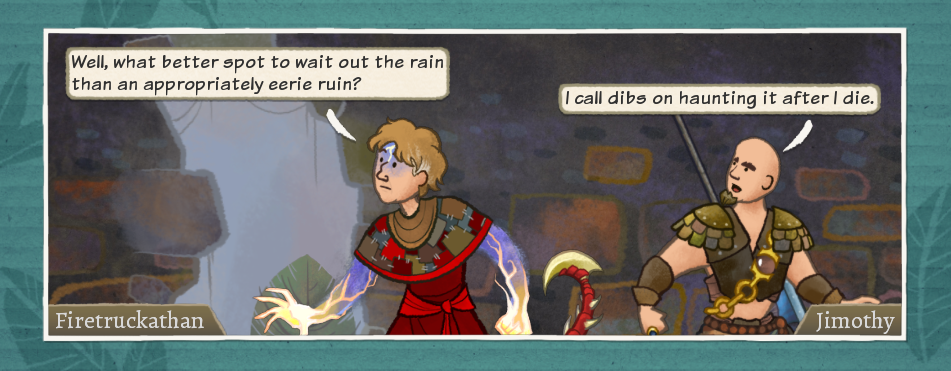


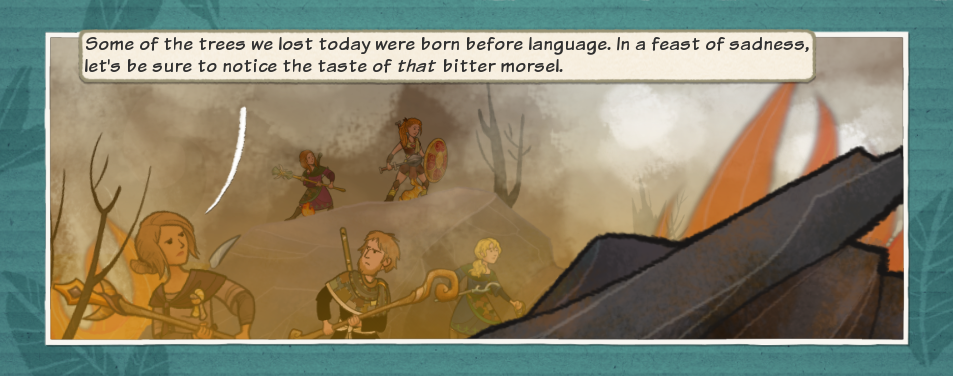
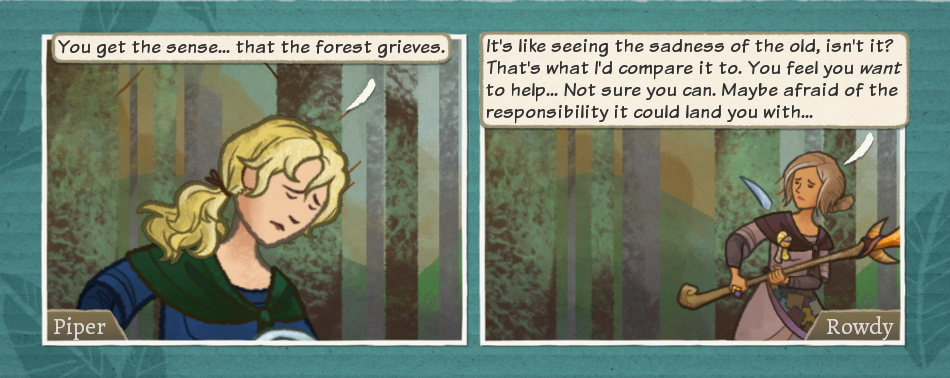

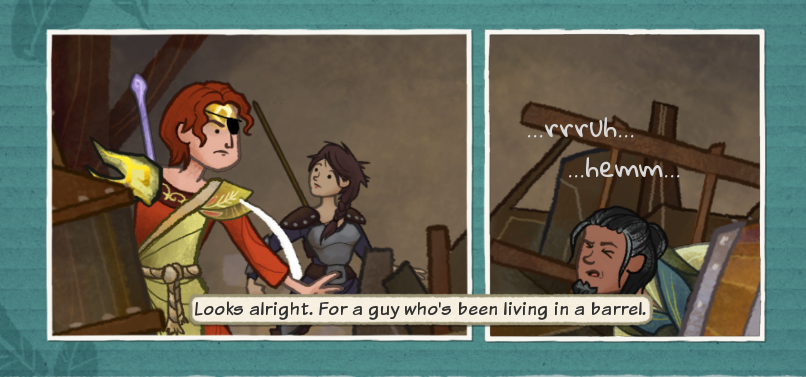
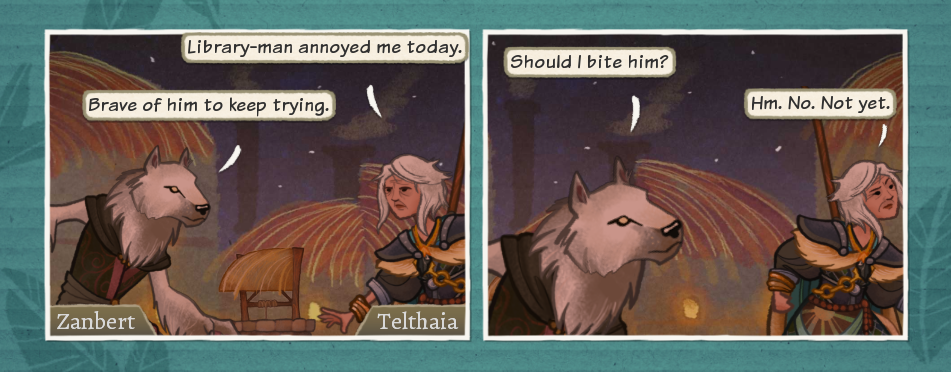


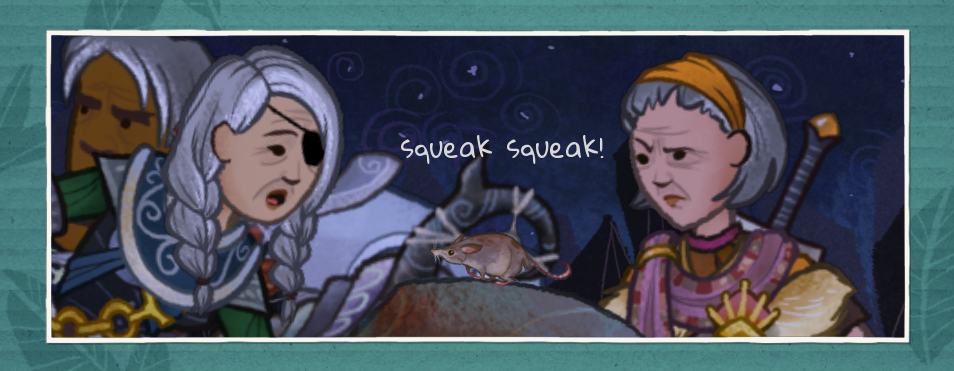
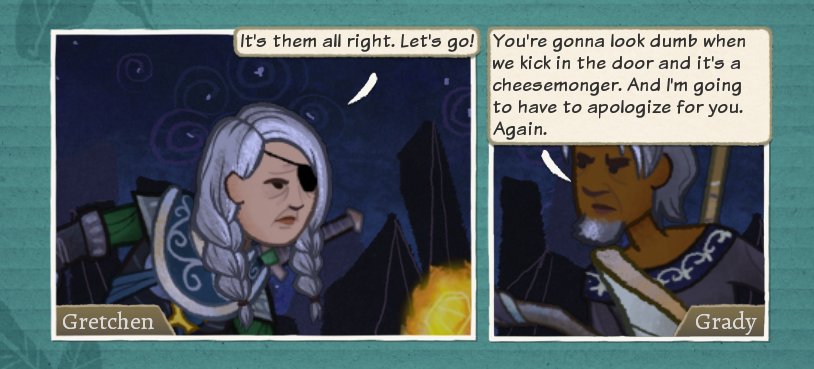
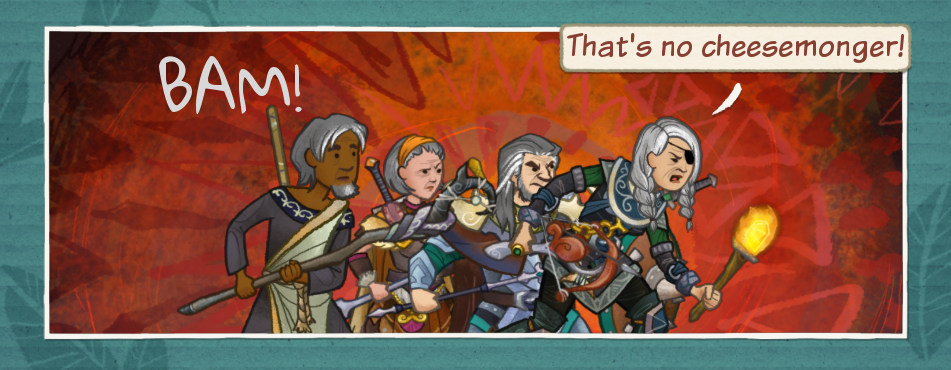
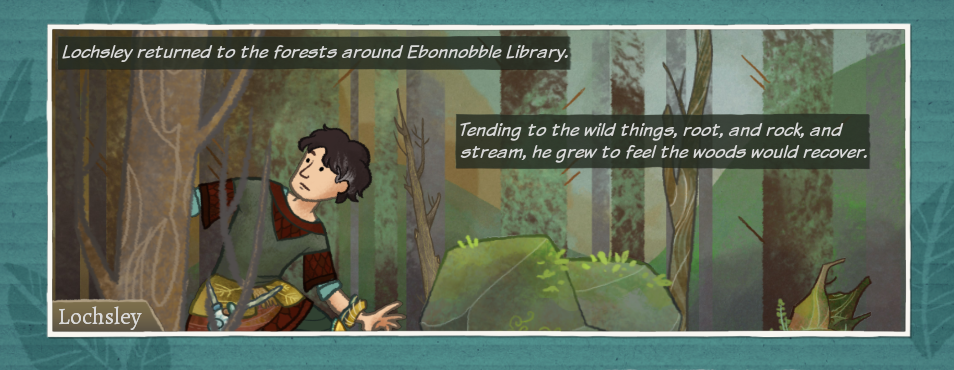
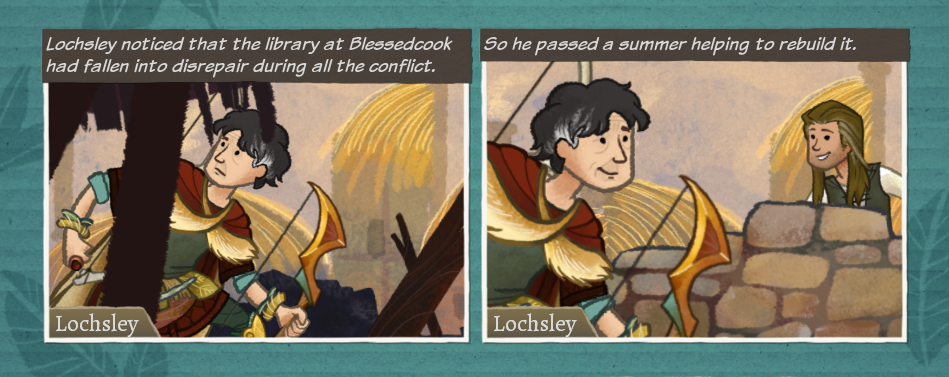


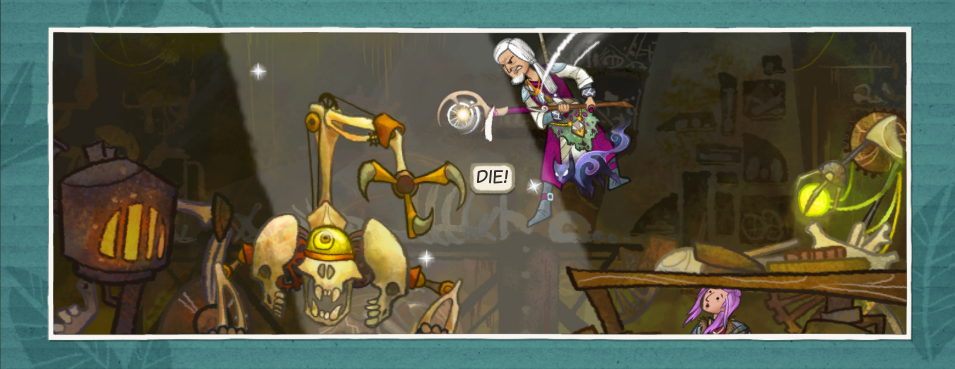
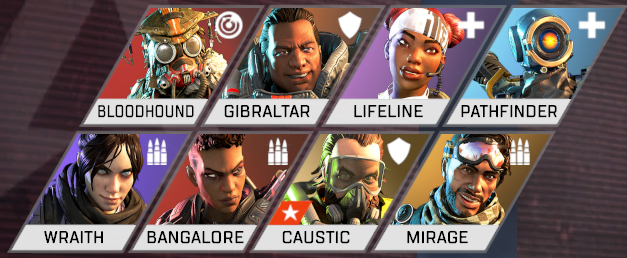
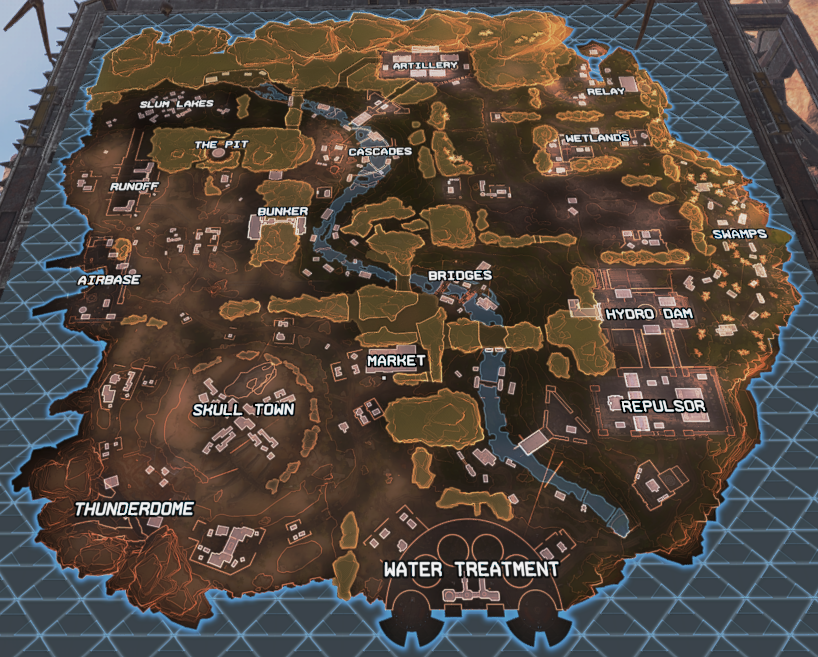
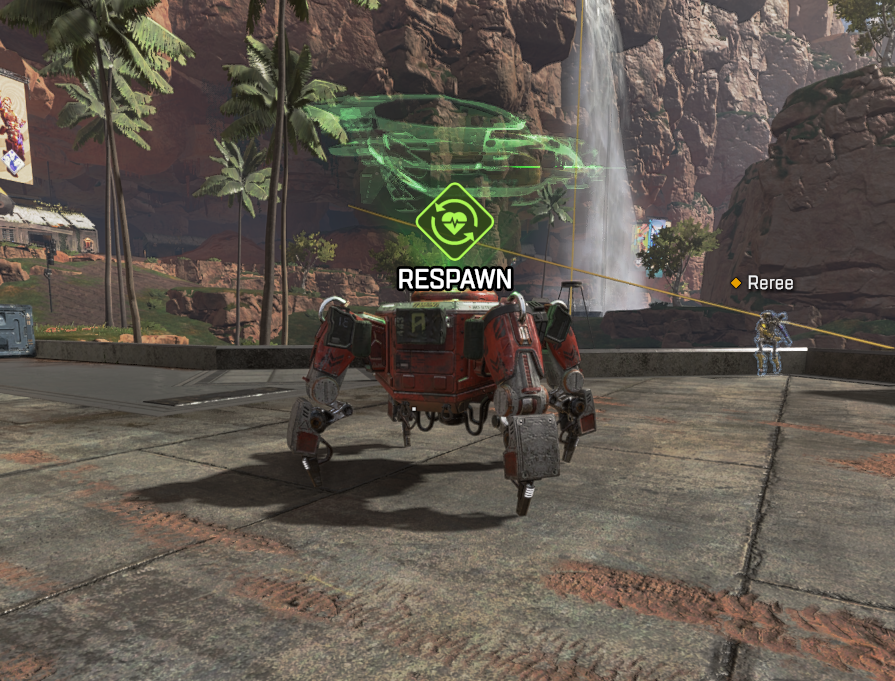
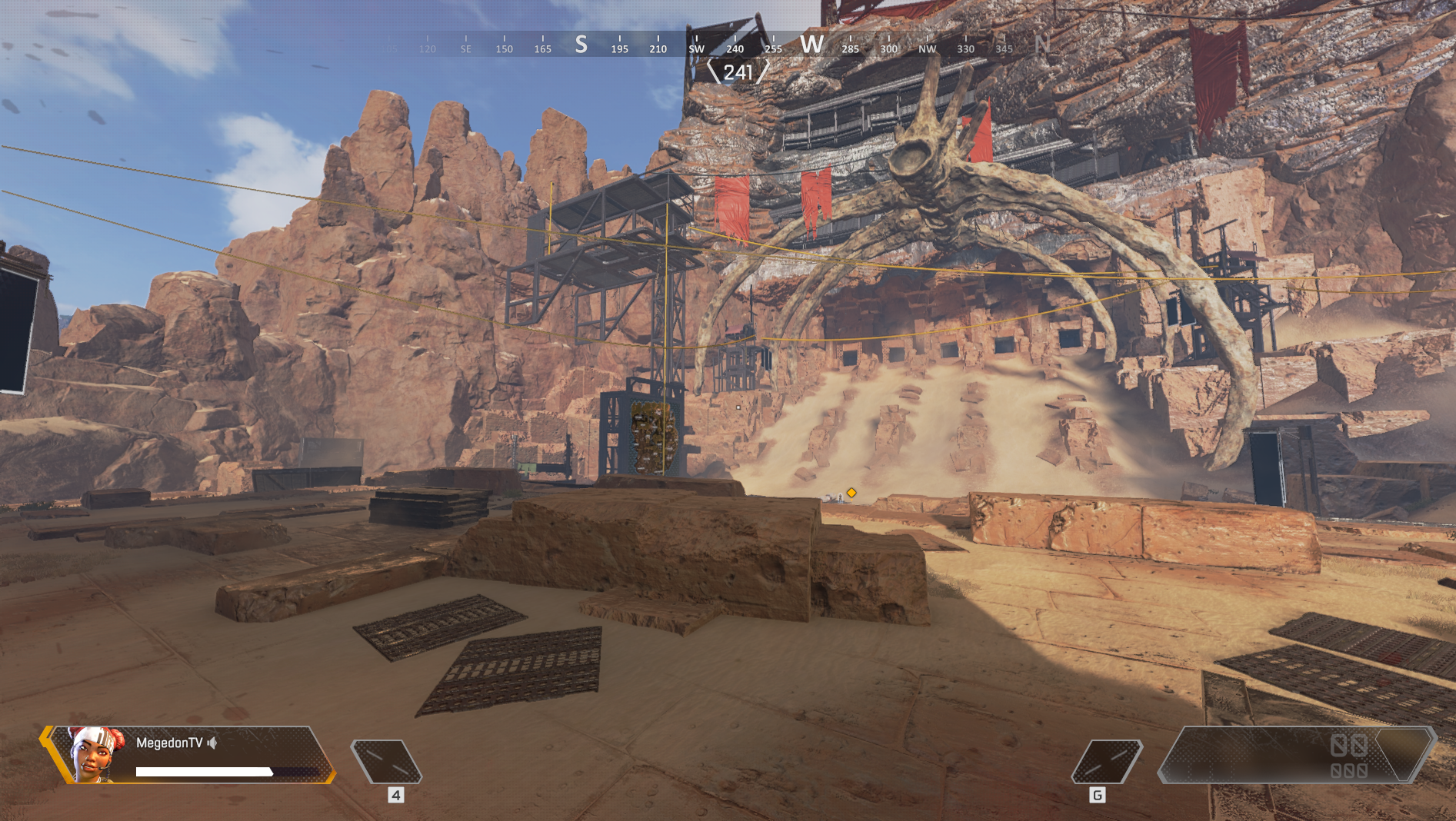
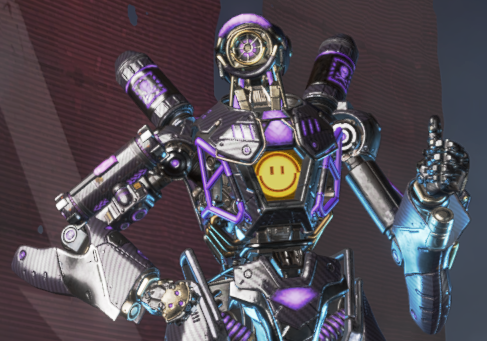
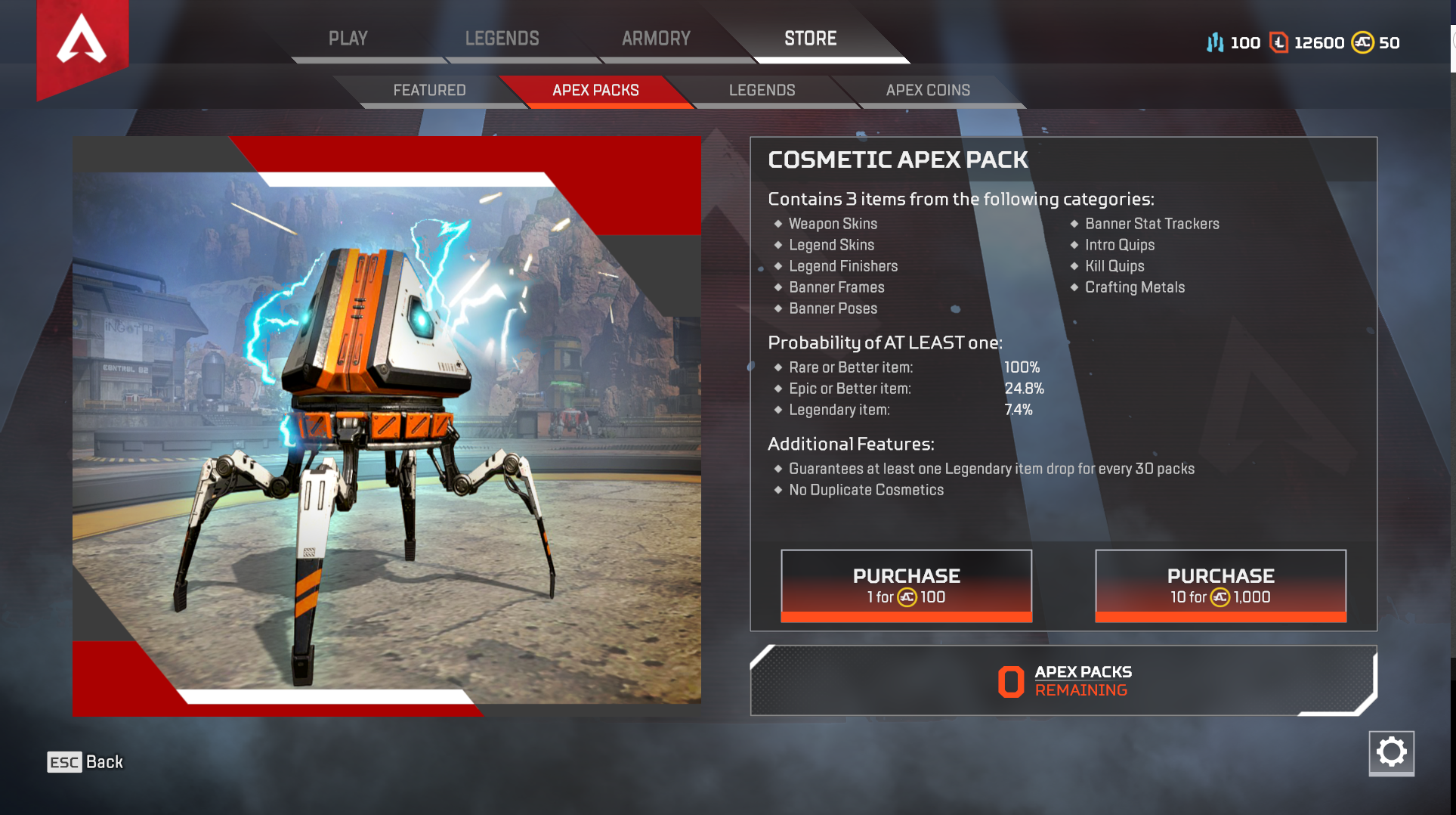


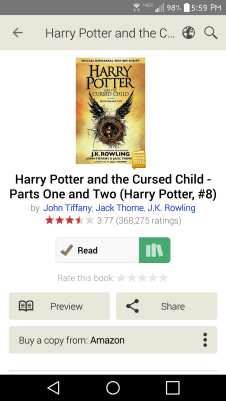


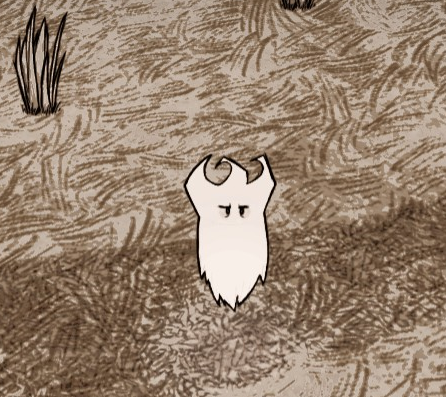

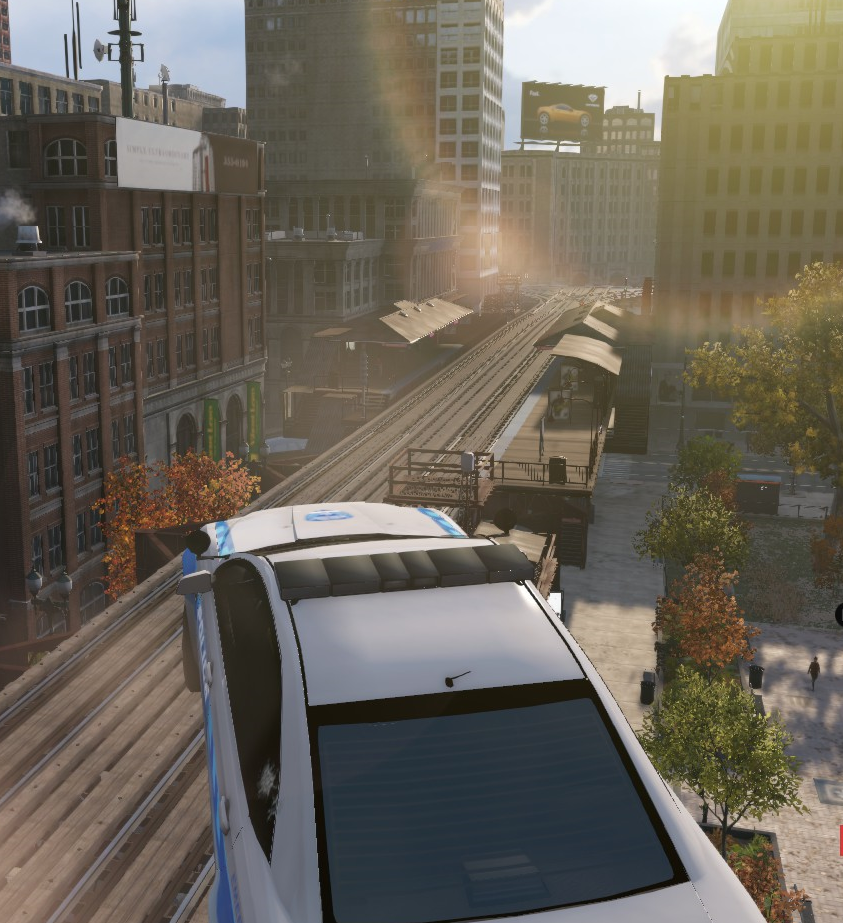
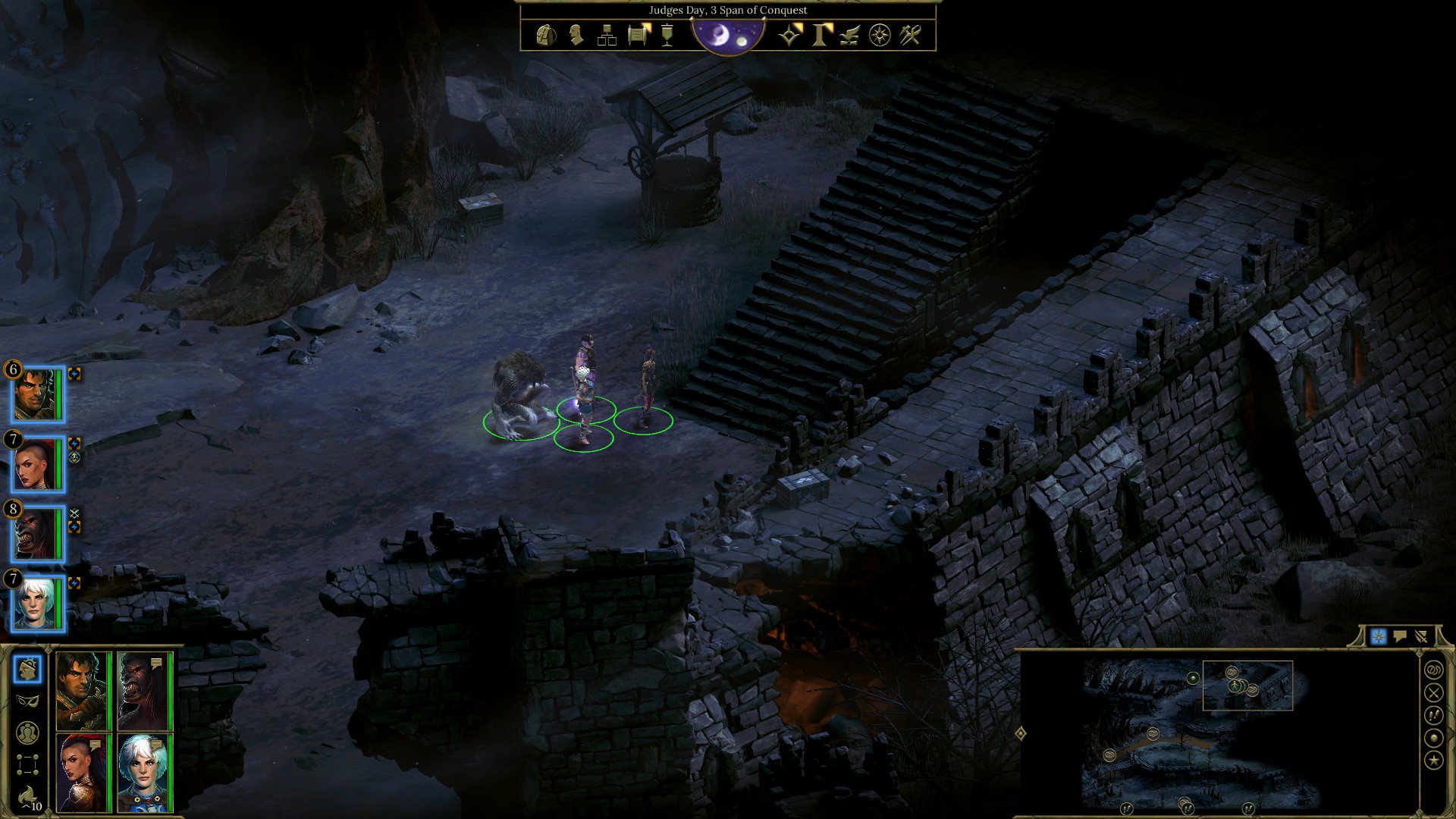
 Game Mechanics